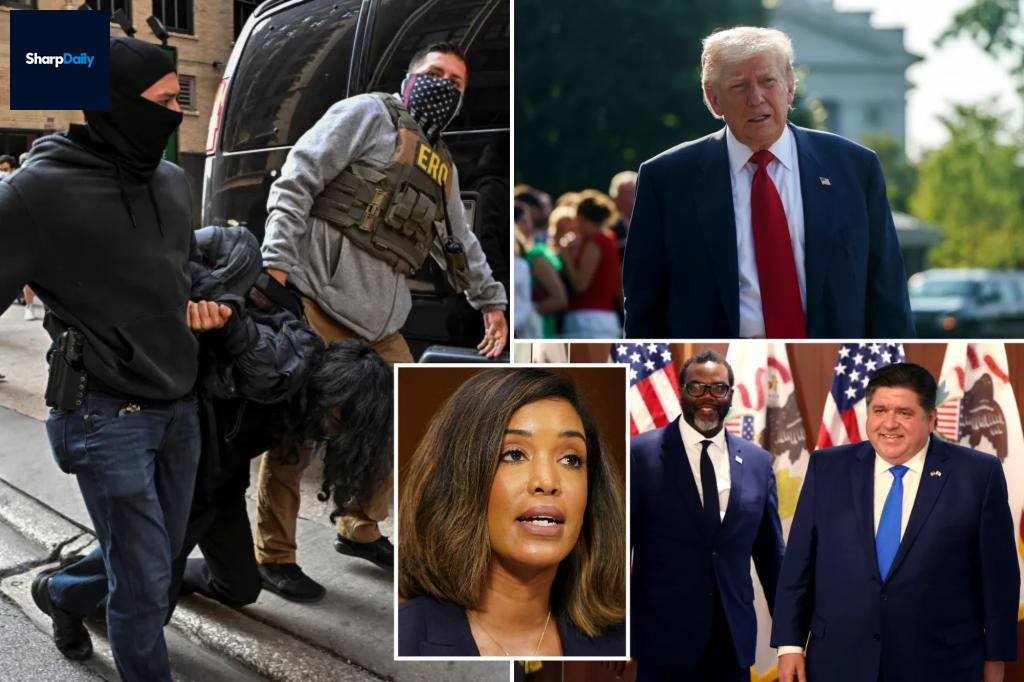
Judge Dismisses Trump Administration’s Lawsuit Against Chicago Sanctuary Policies
Federal Court Dismisses Lawsuit Challenging Chicago’s Sanctuary Policies
A federal judge has ruled that the sanctuary city policies in Chicago and Illinois are protected under the Constitution’s Tenth Amendment, dismissing a lawsuit filed by the Trump administration. The Justice Department had previously sued Illinois, Cook County, Chicago, and certain officials, claiming these laws hinder Immigration and Customs Enforcement (ICE) operations.
Judge Lindsay C. Jenkins stated that the sanctuary policies—which prevent local law enforcement from cooperating with federal immigration agents—are legally protected. She emphasized that such policies reflect a state’s decision not to enforce federal immigration laws, a stance safeguarded by constitutional protections. The ruling also highlighted that federal attempts to regulate or penalize local policies could be considered an overreach, potentially violating state sovereignty.
The lawsuit targeted Illinois’ Trust Act and Chicago’s Welcoming City ordinance. The Trust Act clarifies that local law enforcement lacks authority to enforce federal civil immigration laws, while the Welcoming City ordinance prohibits agencies from arresting or detaining individuals solely based on immigration status.
Illinois Governor JB Pritzker and Chicago Mayor Brandon Johnson welcomed the decision. Pritzker called it a victory over the federal challenge, stating, “Our city follows the law and respects court decisions,” while Johnson argued that the ruling affirms Chicago’s right to maintain its welcoming policies and prioritize local safety.

Meanwhile, the ruling is a setback for the Trump administration, which recently filed lawsuits against New York City and other cities over similar sanctuary policies, arguing they are unconstitutional and hinder federal immigration enforcement efforts. Attorney General Pam Bondi indicated that this lawsuit is just the beginning and warned that similar actions could target other jurisdictions obstructing federal law enforcement.