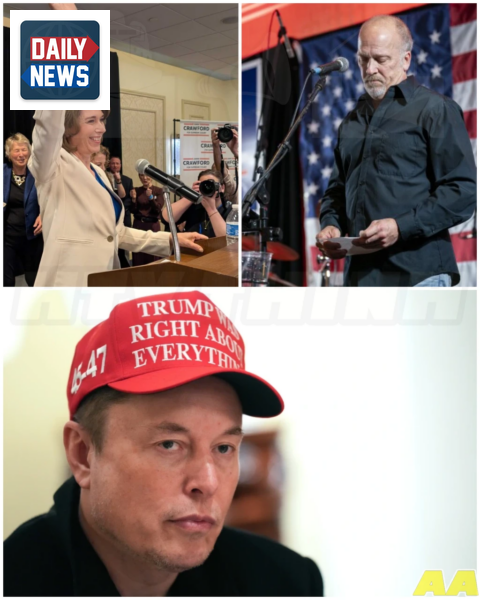
Elon Musk Fails to Purchase Wisconsin Supreme Court
Wisconsin Supreme Court Race Sees Historic Victory for Democrat Susan Crawford
In a surprising and decisive outcome, liberal candidate Susan Crawford defeated her conservative rival, Brad Schimel, in Wisconsin’s high-profile Supreme Court election. Despite receiving a substantial financial boost from tech billionaire Elon Musk—who invested around $25 million—Schimel’s campaign could not stop Crawford’s momentum, marking a significant shift in Wisconsin’s political landscape.
This race became the most expensive judicial contest in U.S. history, attracting national attention due to Musk’s involvement and its implications for state politics. Musk, a known supporter of conservative causes and a close ally of former President Donald Trump, aimed to influence the court’s ideological balance. However, Crawford’s victory demonstrates that overwhelming funds cannot guarantee success against grassroots mobilization.
Impact on Wisconsin and Broader Politics
Crawford’s win preserves a liberal majority on the Wisconsin Supreme Court, with key implications for issues like voting rights and reproductive freedoms. Her campaign centered on fairness and judicial independence, resonating with voters wary of the influence of big money, particularly from wealthy donors like Musk.
Political analysts see this result as a message of resistance against billionaire influence in elections. Commentator John Nichols emphasized that the election signified widespread voter frustration with such outside interference, especially in battleground states. Despite the vast resources backing Schimel, voters favored Crawford, highlighting a shift towards grassroots activism and principled voting.
Broader Electoral Significance
The Wisconsin race has broader implications beyond the state. It signals a rejection of the outsized influence of wealthy donors, marking a setback for the wealthy-backed conservative agenda. While Republicans managed to retain two House seats in Florida, Nichols noted a notable shift within those districts—a growing discontent with the Republican status quo and increased Democratic support, even in traditionally red areas.
This election underscores a national trend: voters are increasingly skeptical of money’s role in politics and are leaning toward candidates who promote fairness and independence, signaling a potential shift in the future of American politics.