Russia Launches Satellite for Iran and Space Weather Probes into Orbit (Photos)
Russian Satellite Launch Advances Space Weather Monitoring
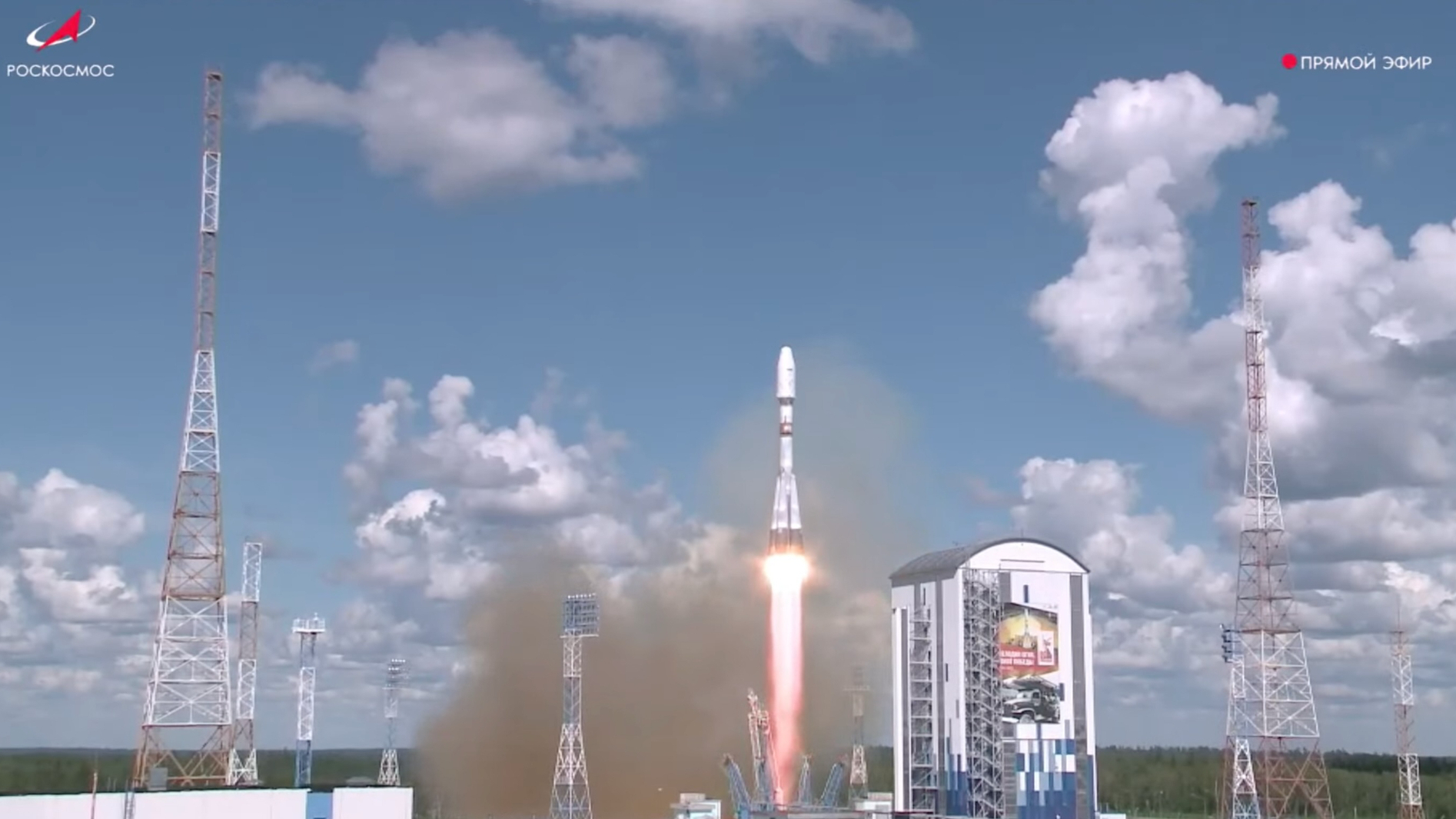
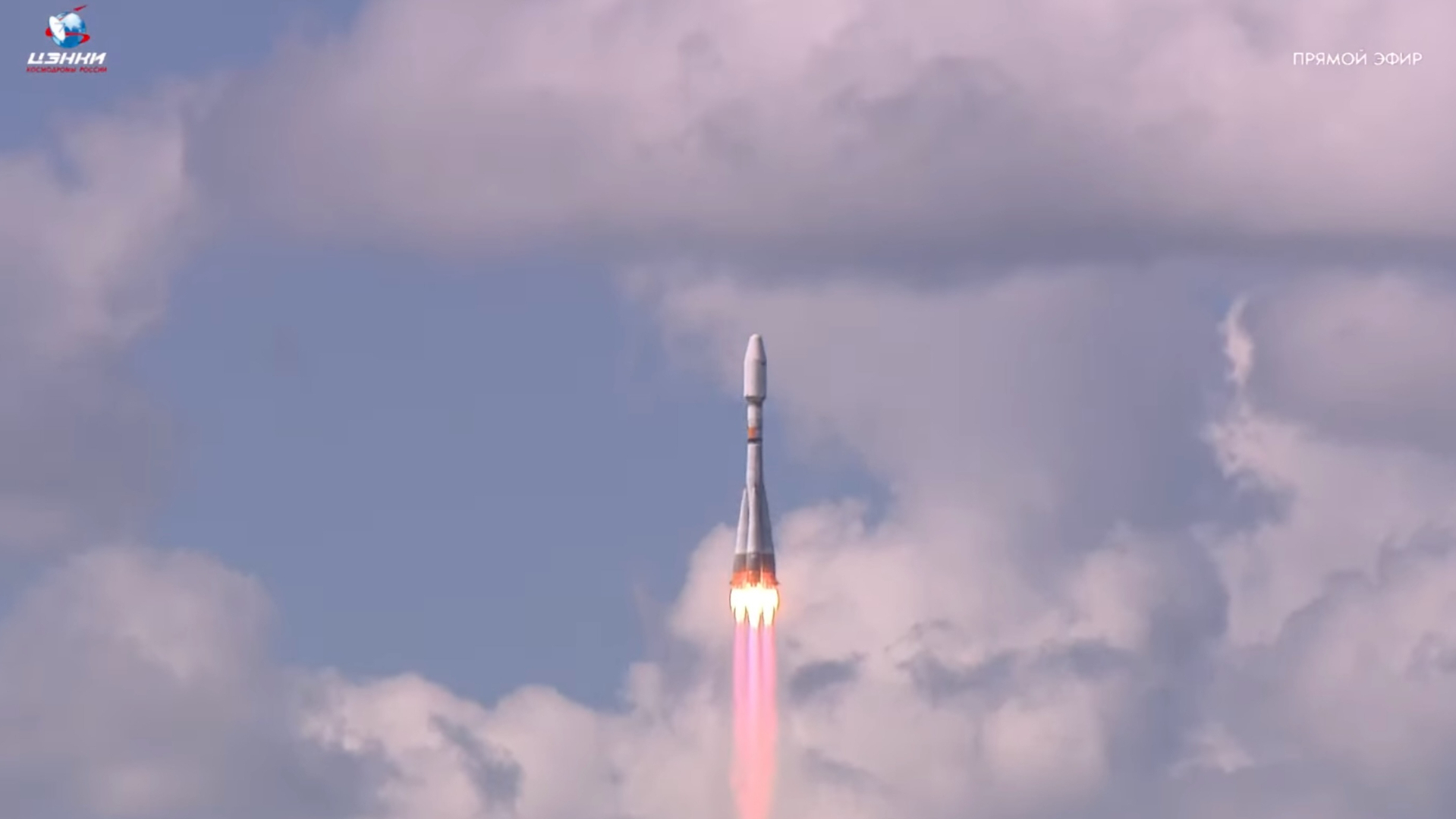
A Russian Soyuz 2.1b rocket successfully launched from Vostochny Cosmodrome in Siberia, marking a significant step in space weather observation. The launch occurred early today at 1:54 a.m. EDT and delivered Russia’s Ionosfera-M 3 and 4 satellites into orbit. The mission also carried 18 additional payloads, including an Iranian communications satellite named Nahid-2.
The launch proceeded smoothly, with a live webcast provided by Roscosmos, the Russian space agency. Shortly after liftoff, the rocket’s stages and satellite deployments were completed, though detailed updates are awaited from officials.
The Ionosfera-M satellites, launched in November 2024, are now completing their mission by forming a mini constellation about 820 kilometers above Earth. These two new satellites will orbit in a plane perpendicular to their predecessors, vastly enhancing coverage of Earth’s magnetosphere. One of the new satellites includes an instrument to measure ozone levels in the upper atmosphere, expanding scientific research in space weather phenomena.
The primary focus of the Ionosfera satellites is on the ionosphere—a charged layer of Earth’s atmosphere that extends from roughly 80 to 645 kilometers altitude. This layer, actively influenced by solar radiation, is vital for understanding space weather impacts, such as solar wind effects on satellite and ground-based systems.

This mission also included 17 cubesats, all Russian-built, which will undertake remote sensing and other scientific tasks in orbit. Among them is a 16U cubesat, along with fifteen 3U satellites, with each “U” representing a 10-centimeter cube, allowing for versatile experimental payloads in space.