Trump Exposes Truth About Foreign Students in Academia
Are U.S. Graduate Schools Maintaining Their American Character?
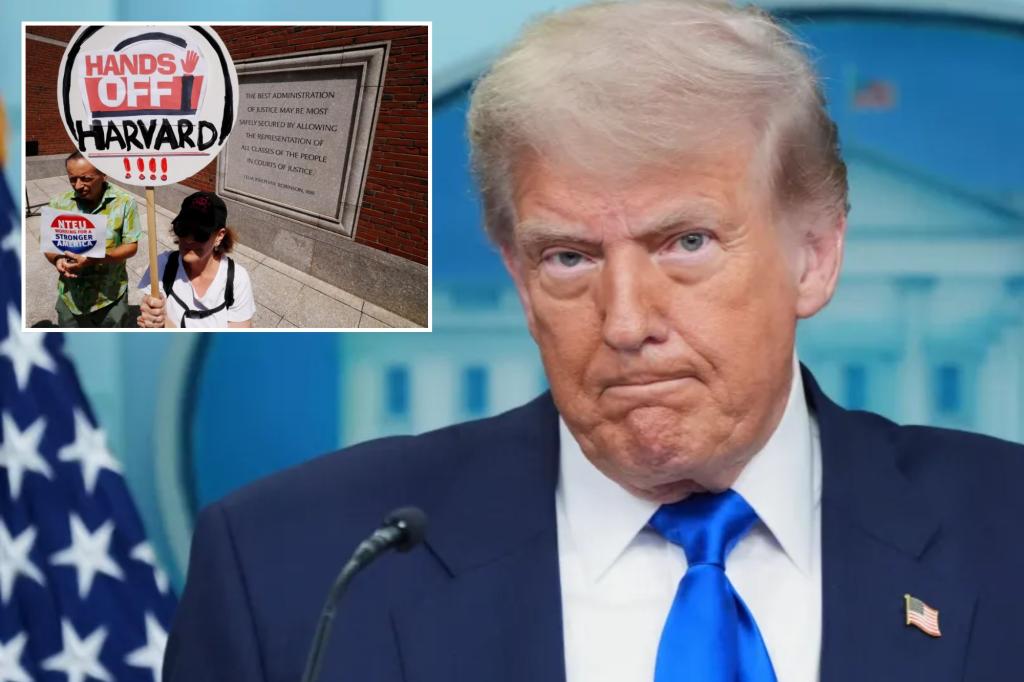
Recent debates focus on whether American graduate institutions are still predominantly American in character. President Donald Trump has taken steps against institutions like Harvard University, citing concerns over the high proportion of international students.
Harvard’s international graduate student population increased from 56% in 2023 to 59% in 2024. Similar trends are observed at institutions such as Carnegie Mellon, Cornell, Johns Hopkins, and MIT, where international students comprise nearly half of the graduate body. This rising foreign presence has coincided with increases in campus protests, antisemitism, and anti-American sentiment, raising questions about cultural influences on campuses.
For instance, one analysis indicates that once international students exceed 13% of a university’s population, campus protests tend to double. Notably, some students involved in recent protests and disruptive activities are foreign nationals, which fuels concerns among critics about foreign influence.
In response, schools like Columbia University have agreed to reduce their reliance on international enrollment, with Columbia promising to investigate applicants’ reasons for studying in the U.S. and to decrease financial dependence on foreign students. This move signals a potential shift in higher education policy prompted by federal pressure.
Critics argue that the disproportionate number of foreign students may be crowding out American students, especially minorities. For example, Harvard’s Kennedy School saw a 50% decline in Black or African American enrollments amid rising international enrollments. Additionally, certain scholarships are restricted to undocumented immigrants, excluding American-born students.
Long-term consequences include brain drain, as many international students who attain advanced degrees in the U.S. return home, taking valuable talent and skills away from the American workforce. Only about 30% of international graduate students aim for permanent residency, which may undercut job opportunities for domestically trained Americans.
While international educational exchange offers benefits, the growing imbalance poses challenges to the American character of higher education. The Trump administration’s push for accountability and transparency could help restore a more balanced and inclusive academic environment.
We support global learning but believe preserving the unique American identity of our universities remains essential.