Will Tesla Succeed in India? Key Roadblocks to Watch
Tesla Debuts in India Amid Challenges and Opportunities
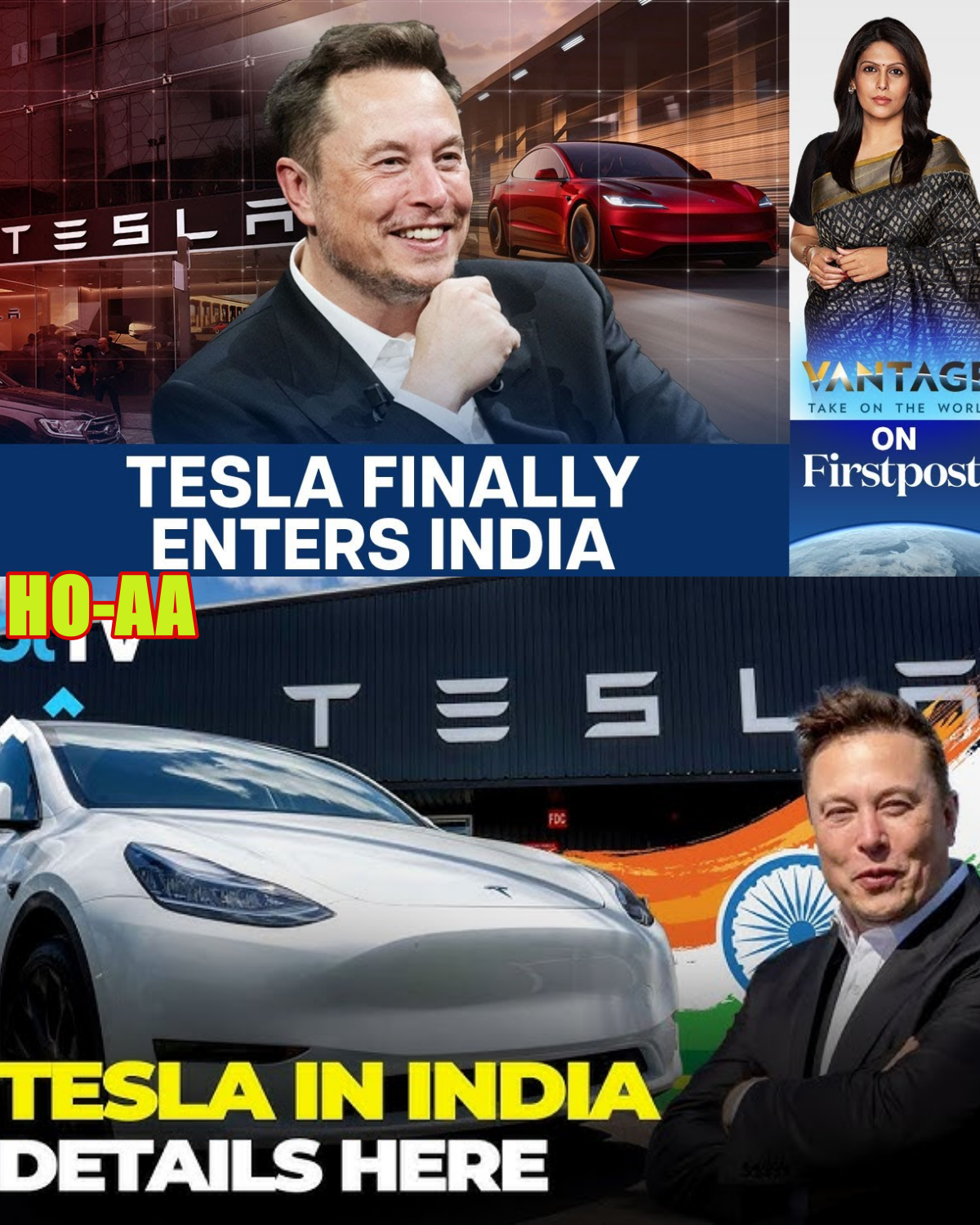
On July 15, 2025, Tesla officially entered the Indian market with a launch event in Mumbai’s upscale Bandra Kurla Complex. The company introduced the China-made Model Y, priced between ₹59.9–67.9 lakh (approximately $70,000), significantly higher than in the U.S. as tariffs and taxes elevate its cost. Tesla aims to develop manufacturing facilities and charging infrastructure to bolster its presence in the country.

Price and Market Position
Currently, Tesla’s strategy involves importing fully assembled vehicles with high import duties and luxury taxes, making the Model Y accessible only to a small, premium segment—roughly 1% of Indian auto buyers. Domestic EVs like Tata Nexon EV and MG are nearly a quarter of Tesla’s price, positioning Tesla as a niche luxury brand rather than a mass-market player.

Pricing and Competition
Unless Tesla reduces prices or moves to local production, its vehicles will remain expensive imports, limiting mass-market appeal. Domestic automakers like Tata, Mahindra, and MG dominate the market with affordable, customized EVs. Even luxury firms are establishing local assembly units to compete directly with Tesla.
In addition, regulatory hurdles such as tariffs—up to 100% on imported cars—compound the cost barrier. While Tesla has lobbied for tariff reductions and proposes phased market entry based on local manufacturing commitments, progress remains uncertain.
Infrastructure and Product Adaptation
India’s EV infrastructure is still developing—there are about 16,000 public chargers nationwide, insufficient for reliable long-distance travel. Tesla’s global success heavily depends on its Supercharger network, which must be rapidly expanded through public-private partnerships. Moreover, vehicles will need modifications to suit Indian roads, including higher ground clearance and ruggedized features, requiring significant R&D investment.

Local Competition and Long-Term Outlook
India’s EV landscape is already competitive, with Tata commanding around 70% market share and other brands like Mahindra, MG, and BYD offering affordable, locally tailored models. Luxury brands are also starting to localize, challenging Tesla’s premium positioning.
Despite these hurdles, India’s large and growing middle class, along with rising EV adoption targets—30% of new vehicle sales by 2030—present a significant opportunity. Tesla’s technological expertise could accelerate the country’s EV ecosystem, and an Indian manufacturing base could serve as an export hub.
Conclusion
While Tesla’s debut marks a historic step, its success depends on practical investments—local manufacturing, product customization, and infrastructure growth. Without these, Tesla risks remaining a high-end import rather than a mainstream contender, with its future in India hanging on tariff policies, consumer preferences, and competitive dynamics.