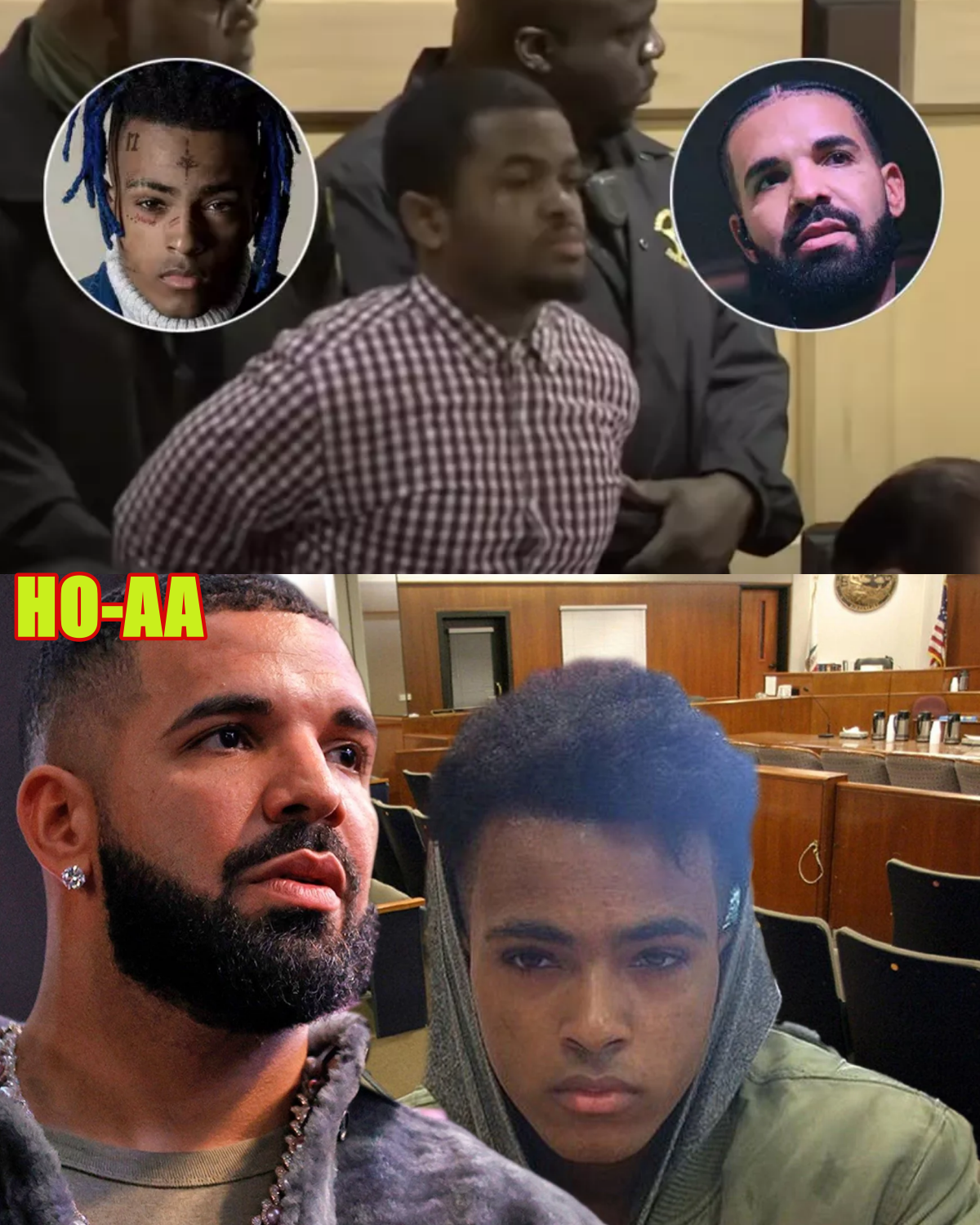
XXXTentacion’s Killer Blames Drake in New Appeal
Main Developments in XXXTentacion Murder Case
On June 18, 2018, rapper Jahseh “XXXTentacion” Onfroy was shot and killed during a robbery in Florida. In 2023, three men—Michael Boatwright, Dedrick Williams, and Trayvon Newsome—were convicted of his murder and armed robbery, receiving life sentences. A fourth defendant, Robert Allen, pleaded guilty and testified for the prosecution.
The New Appeal: Drake’s Name Emerges
Recently, Dedrick Williams’ attorney filed an appeal arguing that crucial evidence was overlooked during the trial. Specifically, the defense claims that an alleged feud between XXXTentacion and rapper Drake, which included a now-deleted social media post from XXXTentacion asserting that Drake was involved in his potential killing, was not examined. The post implied possible motives and was never investigated during the original trial.
The appeal emphasizes that the defense aimed to explore an “alternative shooter” theory based on this feud, suggesting that excluding such evidence deprived Williams of a fair trial. The attorney clarified that the appeal does not directly accuse Drake but highlights procedural errors that may have impacted the case.
Legal History and Public Reactions
During the initial trial, efforts to subpoena Drake for a deposition were unsuccessful, as his legal team argued there was no relevant evidence linking him to the crime. Now, the appeal contends that this prior denial further underscores procedural mistakes.
The case has stirred social media and industry debate, with many resurfacing conspiracy theories about Drake’s possible involvement. Commentators remain skeptical, noting the lack of motive and questioning the relevance of bringing Drake into court proceedings.
Next Steps and Legal Uncertainty
The appellate court has yet to schedule hearings or issue a ruling. The key issue is whether the exclusion of the feud-related evidence was significant enough to warrant a new trial for Williams. Legal experts point out that while defendants can pursue any reasonable doubt, proving that evidence omission was a legal error is challenging.
Conclusion
This appeal raises important questions about the inclusion of speculative evidence in criminal trials and how much such evidence can influence verdicts. The court’s decision could have long-lasting effects on legal procedures surrounding high-profile cases and suspect theories.