Child Art Shows Peace Possible in Middle East
Children Understand: It’s Time for Peace
The Hebrew greeting “Shalom,” meaning peace, reflects a desire even if peace remains elusive in the Middle East. Perhaps one day, children will be the ones to voice it first.
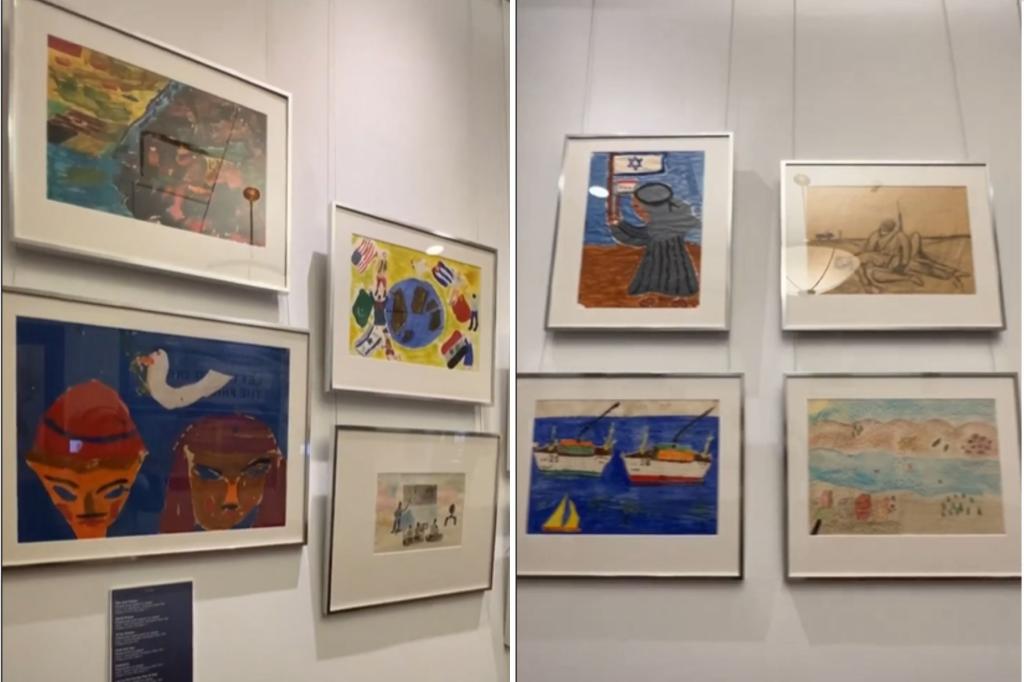
Decades ago, a project brought Arab and Israeli children together through art, resulting in 105 paintings centered on brotherhood. I learned this story in 1968, from Dorothy Silverstein, then Chair of the Cultural Center for Youth in Jerusalem. She explained that during shelters in the Six-Day War, children from both sides were united in the hope for harmony.

In the aftermath of conflict, museums in Haifa, Nazareth, and Tel Aviv hosted Jewish and Arab youth, aged 7 to 14, encouraging them to depict peace through art. A notable piece is a mural titled “Friendship,” showing an Arab child behind a palm tree and a Hebrew-speaking child extending a hand of friendship.
One story recounts a little girl from Beit Safafa shyly approaching a girl from a kibbutz, a gesture that symbolized an initial spark of communication. Over time, their art reflected progress: shared symbols and images of houses, smiling faces, and scenes of people surrendering violence and exchanging flowers. Other paintings portray breaking bread together and embracing in friendship, symbolizing hope.
When displayed publicly, words of peace—“Shalom” in Hebrew and “Salaam” in Arabic—adorned the walls, emphasizing a collective wish for serenity and unity. These art pieces serve as a reminder and a blessing for future generations to foster peace and understanding.
Some of this peaceful spirit is needed now in more places—perhaps even in our own city, urging leaders to focus on creating laws that serve the people, not just issuing empty slogans.