NYC Animal Shelters Halt Adoptions Due to Overcrowding
Overcrowded City Animal Shelters Halt Intake, Prompting Calls for Contract Review
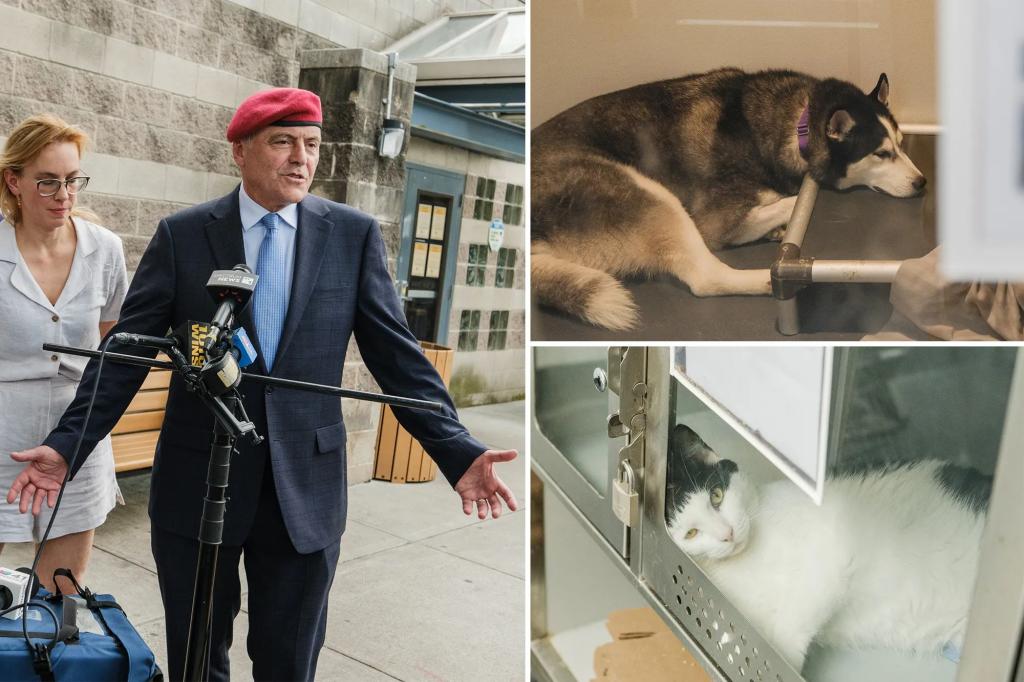
The city’s animal shelter, operational for nearly three decades, has temporarily stopped accepting new pets due to severe overcrowding—over 1,000 animals are currently in its care across three locations. The shelter cited “critical” conditions and announced that it cannot take in more owner surrenders, prompting public outcry and political scrutiny.
One of the city’s locations, in Brooklyn, remains closed for renovations until 2026, and the Bronx center has been “temporarily” shut since May. Meanwhile, a new Bronx facility, costing $92 million and originally set to open in spring, is still under construction amid concerns over capacity and mismanagement. An employee at the Queens shelter reported the facility is housing twice as many animals as it can accommodate, leading to deteriorating conditions and health issues among the pets.
Officials maintain that measures are being taken. A City Hall spokesperson emphasized ongoing efforts to support shelter resources and encourage residents to adopt or foster animals to help reduce overpopulation. Despite these endeavors, the current system euthanizes approximately 100 animals each month, mainly due to medical or behavioral issues, though some activists criticize the euthanasia rate, arguing that healthy animals are often euthanized prematurely.
GOP mayoral candidate Curtis Sliwa criticized management, vowing that if elected, he would terminate the city’s $1.4 billion, 34-year contract with the shelter organization, labelling it a “catastrophe.” Sliwa also questioned the use of large budgeted “death row” lists for pets, suggesting abandoned sites, like Rite Aid locations, could serve as better adoption centers—though staffing remains a concern.
Sliwa proposed reforms including a public-private partnership to fund shelters, the establishment of a city animal welfare agency, and a no-kill policy combined with free spay/neuter programs. He urged that creating more community-based adoption facilities could help address the shelter crisis and improve overall animal welfare efforts.