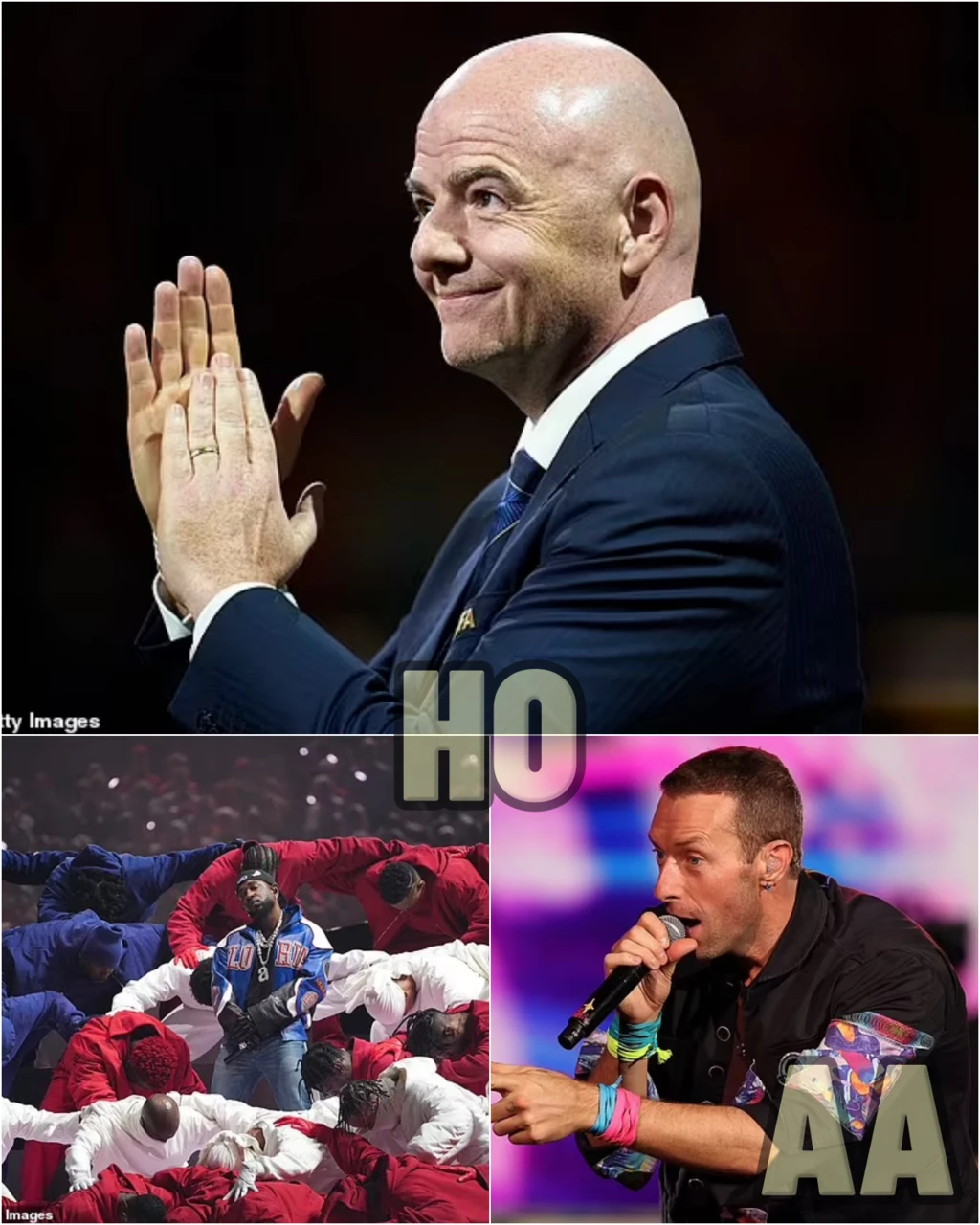
FIFA’s 2026 World Cup Final Gets Super Bowl-Style Halftime with Coldplay!
FIFA Announces Spectacular Half-Time Show for 2026 World Cup Final
The upcoming 2026 FIFA World Cup final will feature an unprecedented half-time entertainment experience, inspired by the iconic Super Bowl performances. The final, which will be the largest in history with 48 teams competing, is scheduled to conclude at MetLife Stadium in New Jersey on July 19.
FIFA President Gianni Infantino revealed that the half-time segment will be a grand spectacle, with Coldplay collaborating with FIFA to curate the musical lineup. While details about the duration are yet to be finalized, the show promises to be a historic event, emphasizing the tournament’s significance globally.
Infantino shared that the halftime performance is part of a larger plan to transform the final into an extraordinary celebration, including plans to take over Times Square during the tournament’s final weekend. This event will encompass both the bronze final and the championship match, making New York City the epicenter of global football festivities.
“It is my pleasure to announce the first-ever FIFA World Cup final halftime show in partnership with Global Citizen,” Infantino stated. “These moments will mark a milestone for the tournament, aligning it with the spectacle and excitement of the Super Bowl’s renowned halftime performances, which have featured artists like Lady Gaga, Michael Jackson, Rihanna, and Beyoncé.”
Images from the Super Bowl’s halftime shows, known for attracting more viewers than the game itself, highlight the cultural significance of such productions, with stars like Kendrick Lamar leading this year’s performance and legendary acts who previously performed including Madonna and Shakira.
Additionally, Coldplay’s Chris Martin will work closely with FIFA on finalizing the musical roster for the event, aiming to deliver a memorable experience for fans worldwide.

The 2026 World Cup will be hosted across the United States, Canada, and Mexico, with a total of 104 matches in 16 cities, marking a significant expansion from the 1994 tournament held in the U.S. with 24 teams.