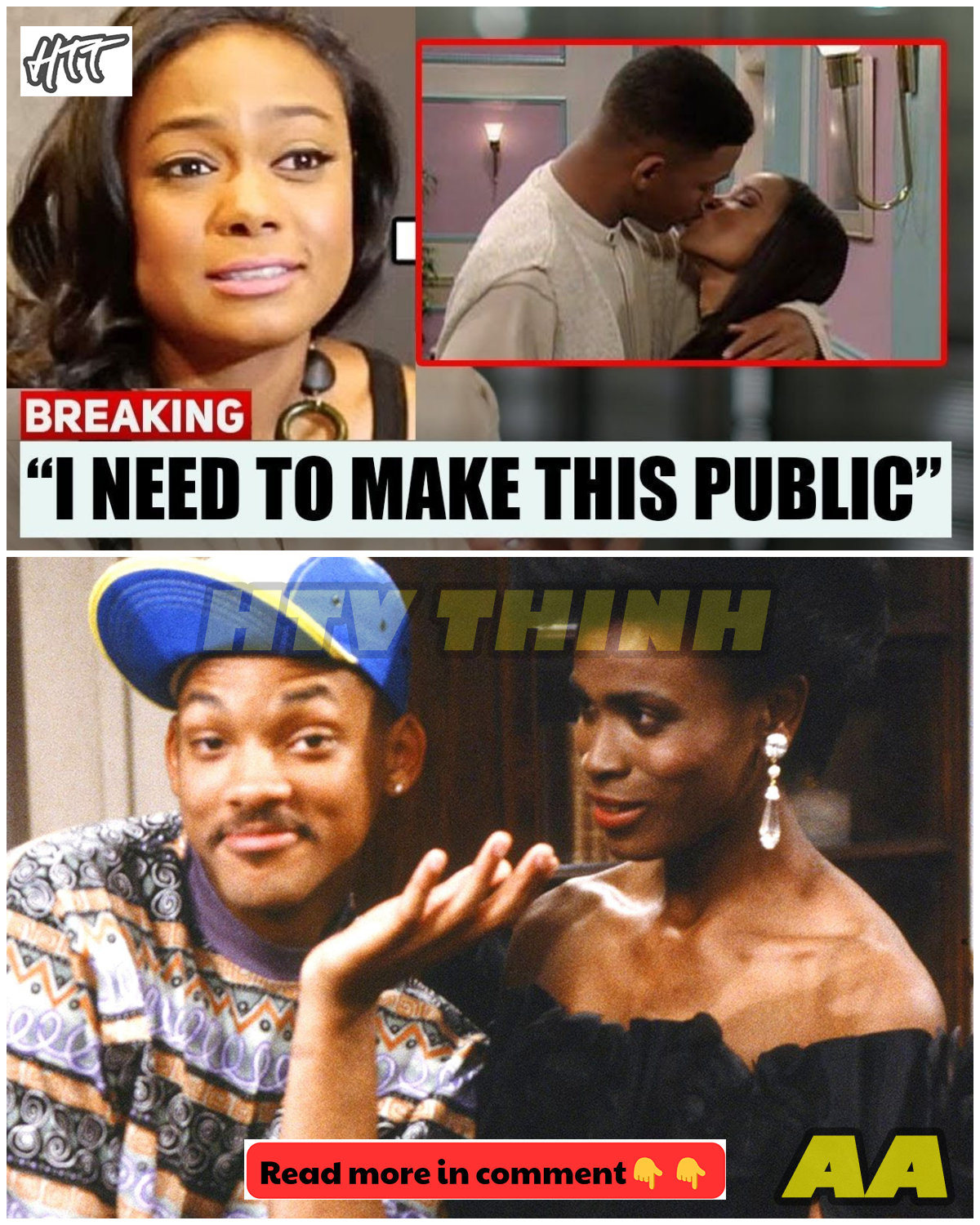
6 Dark Secrets About The Fresh Prince of Bel-Air That Shocked Fans!
The Untold Secrets Behind The Fresh Prince of Bel-Air
The Fresh Prince of Bel-Air remains one of the most cherished sitcoms of the 1990s, celebrated for its humor, heartfelt moments, and iconic characters. However, behind its cheerful facade lies a tumultuous history filled with drama, conflict, and surprising revelations.
The show’s concept was inspired by creator Benny Medina’s real life, highlighting class disparities within the Black community. Medina, who grew up in East Los Angeles and was suddenly immersed in Beverly Hills wealth, aimed to explore these social divides through a comedic lens.
Will Smith’s entry into acting was driven not by passion but necessity—he was burdened with over $2.8 million in back taxes after his early rap career faltered. Initially hesitant, Smith auditioned at Quincy Jones’s house and was cast on the spot, though much of his earnings were later seized by the IRS.
Behind the scenes, the production environment was far from harmonious. Writer Gingi Cohan described a toxic atmosphere filled with conflicts, long hours, and pranks so cruel they included urinating in a drink. Smith’s cousin and bodyguard were even part of the writing team, further complicating dynamics. Cohan faced racial and religious slurs, reflecting the show’s often-chaotic environment.
The most infamous rift was between Will Smith and Janet Hubert, the original Aunt Viv. Despite her on-screen support, off-screen tensions led to her departure amid rumors of difficulty—though she refuted this, citing personal hardships, including an abusive marriage. Her exit resulted in a softer, less prominent Aunt Viv, disappointing fans.
In a rare reconciliation years later, Smith and Hubert discussed their past, with Hubert revealing she was not fired but chose to leave due to contractual disagreements. She also expressed the pain of being labeled difficult partly because of her skin color and gender.
Despite the behind-the-scenes drama, the cast forged strong bonds. The emotional power of episodes like “Papa’s Got a Brand New Excuse,” where Will confronts his absent father, showcased the show’s depth, often drawing from genuine acting talent and mentorship from James Avery (Uncle Phil).
Following its initial cancellation after four seasons, overwhelmed fans persuaded NBC to bring the show back for two more seasons, culminating in an iconic series finale. Recently, the story was revived with the darker, modern reboot Bel-Air, embraced by Will Smith himself, demonstrating the enduring appeal of the franchise.
Ultimately, The Fresh Prince of Bel-Air was more than just comedy—it’s a reflection of personal struggles, industry conflicts, and resilience. These secrets reveal a layered history that enriches the legacy of this beloved series.