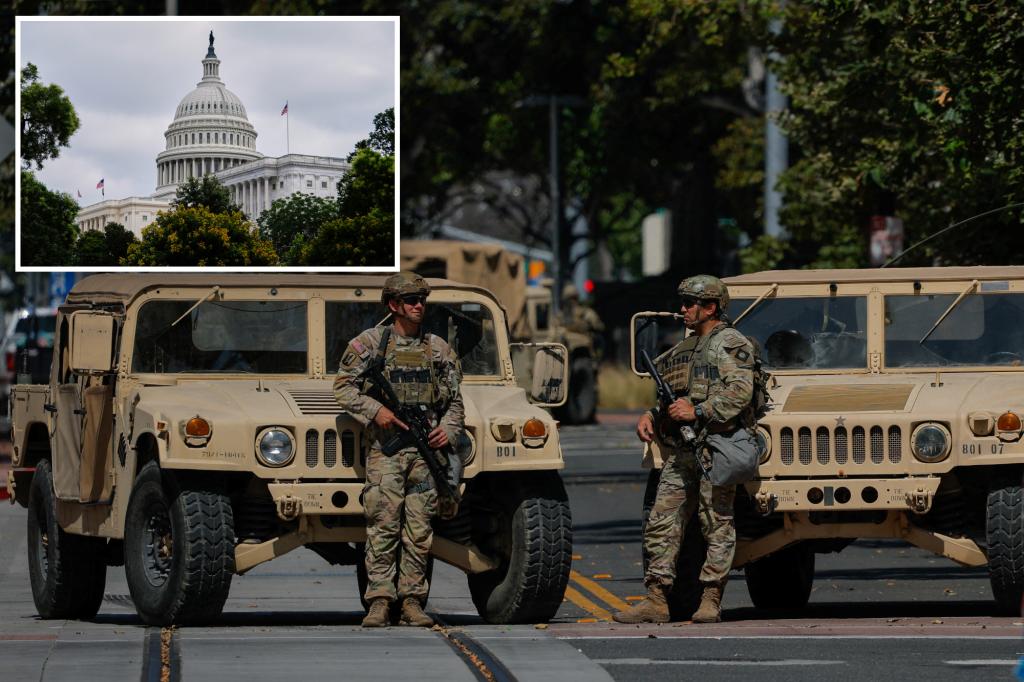
House Approves $832B Defense Bill with Troop Pay Increase
House Approves Significant Defense Budget for 2026
The House of Representatives has approved a bill allocating approximately $832 billion for defense spending in fiscal year 2026. The funding increases military salaries, supports research and development, and maintains high recruitment levels, aiming to keep the U.S. military the most capable globally.
The legislation was passed with a vote of 221-209, with support from most Republicans and a few Democrats, including Representatives Don Davis, Jared Golden, Vicente Gonzalez, Adam Gray, and Marie Gluesenkamp Perez. Davis emphasized the importance of protecting local military bases and providing service members with pay raises.
The bill also includes provisions to improve funding for active duty, National Guard, and reserve forces through a 3.8% pay increase. Additionally, it proposes cuts of $7 billion from operation and maintenance budgets, reducing spending to $283 billion. Over $148 billion will go toward defense research, development, and testing, with an extra $1.15 billion dedicated to combat international trafficking and drug interdiction efforts.

Despite broad support, some Republicans, such as Marjorie Taylor Greene, Tim Burchett, and Thomas Massie, opposed the measure, criticizing ongoing foreign aid and increased spending amidst soaring national debt. Greene criticized the government for what she called excessive foreign aid, linking it to inflation and rising living costs.

This defense funding proposal follows recent congressional approval of a separate $150 billion plan, which includes approximately $25 billion for missile defense systems. The overall defense budget for 2026 is projected to surpass $1 trillion, building on previous years’ budgets of nearly $900 billion.