Unveiling the Truth Behind Newsom’s High-Speed Rail Dream
California’s High-Speed Rail: A Promising Idea with a Slow Reality
The California high-speed rail project aimed to revolutionize transportation in the state by connecting Los Angeles and San Francisco with a sleek, high-speed line. Backed by voter approval in 2008, the project was estimated to cost $33 billion and was expected to be a beacon of modern infrastructure. However, after 15 years of delays, environmental hurdles, design miscalculations, and contractor issues, no track has yet been laid.
Today, the project’s focus has shifted to a much smaller segment between Merced and Bakersfield—two cities far from major metropolitan centers. With an adjusted cost now around $35 billion for this segment, and over $100 billion projected for the entire system, progress remains minimal. The ambitious ridership targets seem unrealistic, especially given mountains of population density differences compared to the Northeast Corridor, where train popularity and infrastructure are deeply established.
Environmental benefits are also questionable. The project itself produces significant emissions during construction, and the expected reduction in car travel might be offset as more California residents switch to electric vehicles. Meanwhile, the federal government recently withdrew $4 billion in funding, citing concerns over waste and mismanagement.
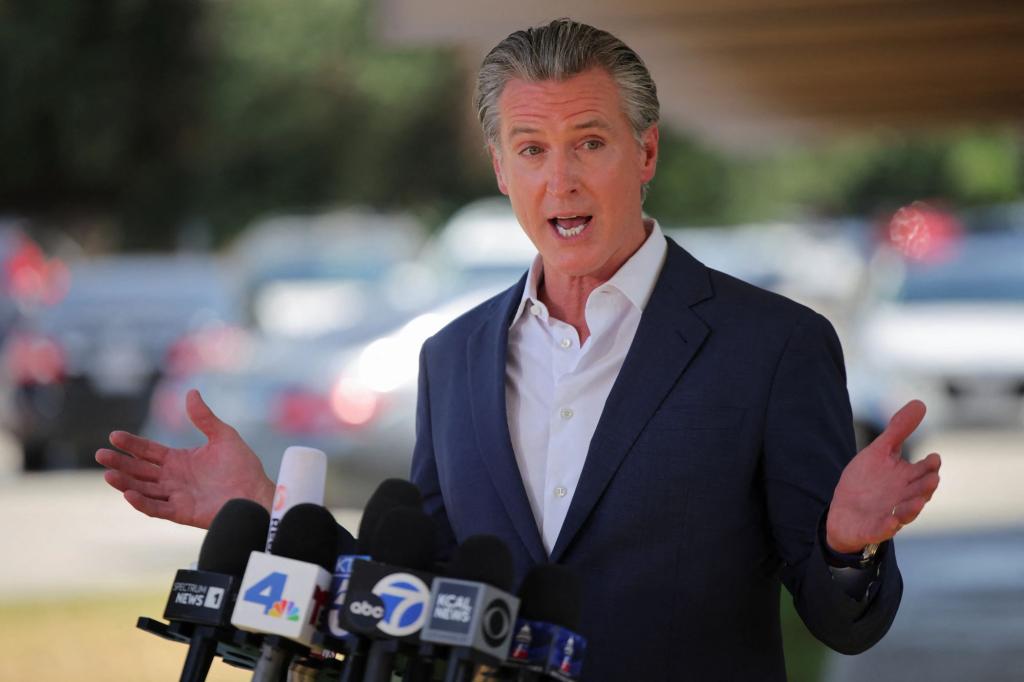
Despite these setbacks, state leadership remains committed. Governor Gavin Newsom defends the plan, framing the funding cut as a “gift to China,” a dismissive nod to the project’s shaky foundation and the complex challenges it faces. Critics argue that the high-speed rail system was always overly optimistic, representing a combination of idealism and mismanagement rather than practical progress.
Ultimately, the project stands as a cautionary tale about California’s struggles in executing large-scale infrastructure. With mounting costs and uncertain benefits, many question whether the dream of a high-speed rail connecting California’s biggest cities will ever become a reality.