NASA’s X-59: Experience the Future of Supersonic Flight Today!
What is the X-59 Aircraft?
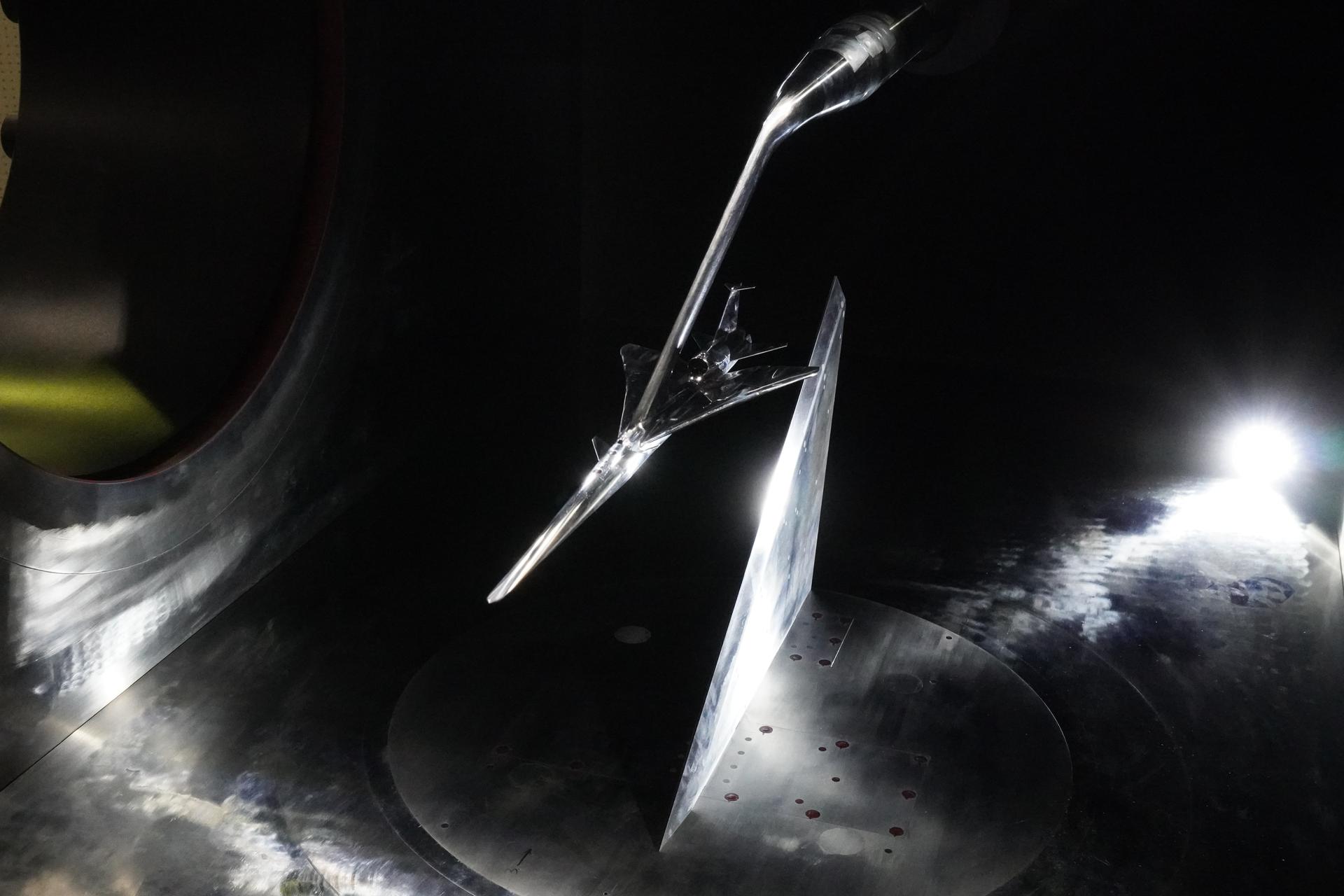
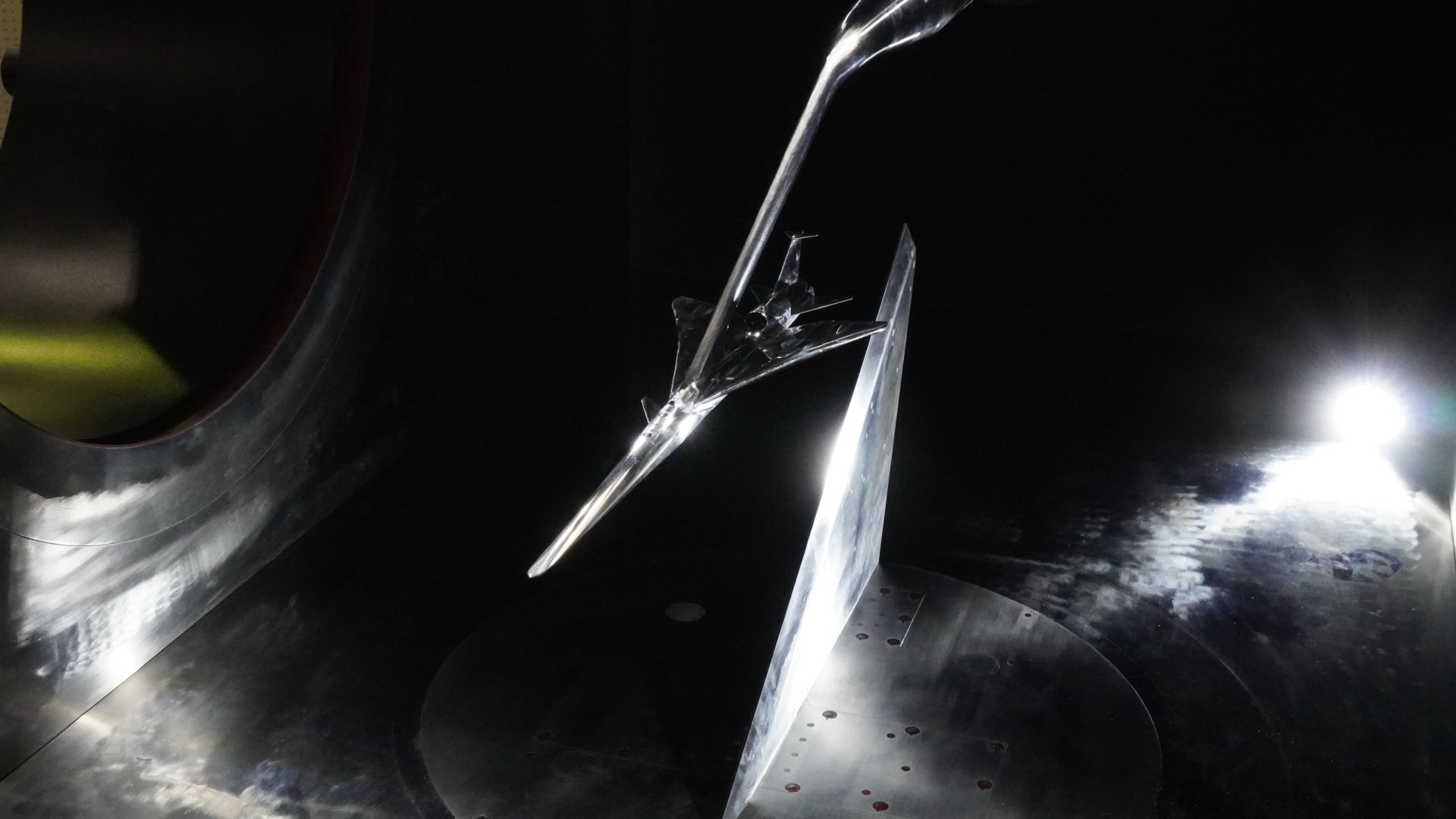
The X-59 is an experimental aircraft measuring approximately 99.7 feet (30.4 meters) in length with a wingspan of 29.7 feet (9 meters). Due to the limited size of wind tunnels, researchers created a scaled-down model of just 19 inches from nose to tail, representing about 1.62% of the full size. This model was tested in a supersonic wind tunnel at speeds of roughly 925 miles per hour (Mach 1.4) at a Japanese Aerospace Exploration Agency (JAXA) research facility in Chofu, Japan.
Why is this test significant?
The X-59 features specially designed ultrathin wings and elongated noise-reducing features intended to minimize sonic booms—loud shocks caused when aircraft break the sound barrier. Instead of a disruptive sonic boom, the plane aims to produce a gentle “thump.” By analyzing airflow over the scaled model, scientists can refine the aircraft’s design to further reduce noise when flying at high speeds. This testing is part of a series to better understand and improve quiet supersonic flight.
About the aircraft
Built by Lockheed Martin Skunk Works in California, the X-59 is poised for its inaugural flight later this year. These advancements hold promise for more sustainable and community-friendly high-speed air travel, transforming future air transportation.