Nazi Creek in US to Be Renamed After 70 Years—Here’s the Reason
Alaska’s Nazi Creek Gets a New Name Honoring Indigenous Heritage
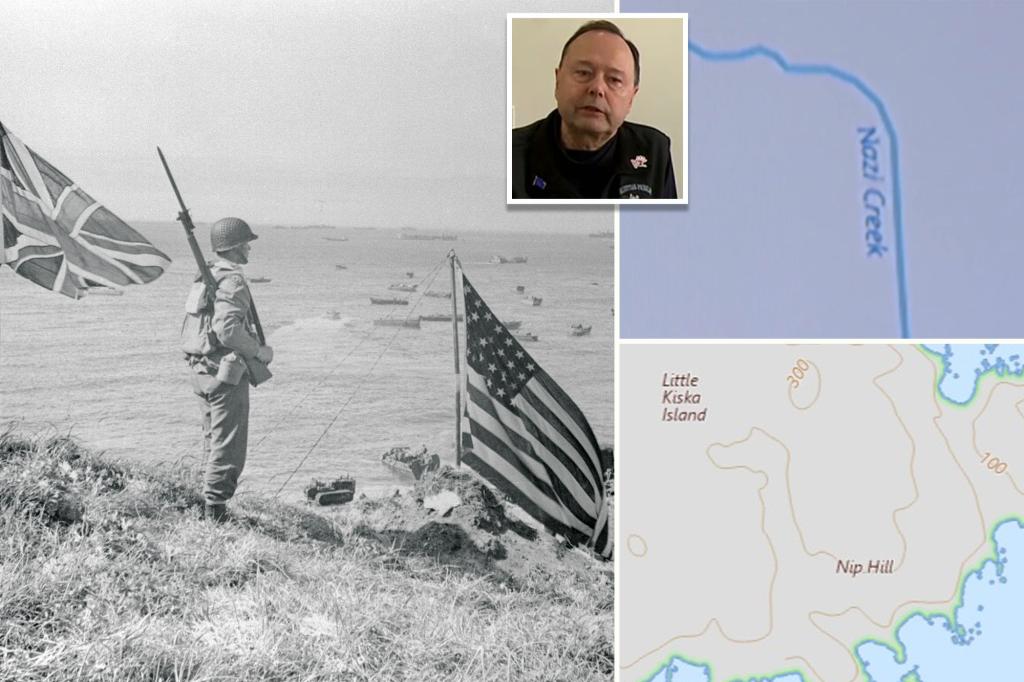
After over seventy years of debate, a one-mile-long stream in Alaska formerly known as “Nazi Creek” has been officially renamed to respect its Indigenous origins. The creek, located on Kiska Island in the Aleutian Islands, was originally called “Nazi Creek” by U.S. military personnel during World War II, who assigned the name for tactical reasons using an alphanumeric grid system. Other nearby features also received similarly coarser names, some inspired by popular culture or personal preferences of soldiers.
The name “Nazi Creek” was added to official maps in the 1950s, even after the war ended, and remained until recent efforts to change it. The renaming process was led by Alaska historian Michael Livingston, who spent two years advocating for a name that honors the island’s indigenous Unangax̂ heritage. The new name, “Kaxchim Chiĝanaa,” translates to “creek or river belonging to gizzard island,” reflecting the native language and culture.
Additionally, Livingston campaigned to rename nearby “Nip Hill,” a term considered an ethnic slur against Japanese people. The new name, “Kaxchim Qayaa,” or “gizzard hill,” similarly honors local heritage. These changes received unanimous approval from the Alaska Historical Commission and the U.S. Board on Geographic Names, paving the way for official federal recognition and updates to geographic databases.
The original residents of Kiska Island, the Unangax̂ people, were evacuated during the Japanese occupation in 1942, which lasted about a year. Tragically, around 80 islanders died from disease while in internment camps set up by the U.S., which forcibly relocated the indigenous population. The effort to rename the creek signifies a step toward correcting historical insensitivity and honoring the indigenous legacy of the area.